-
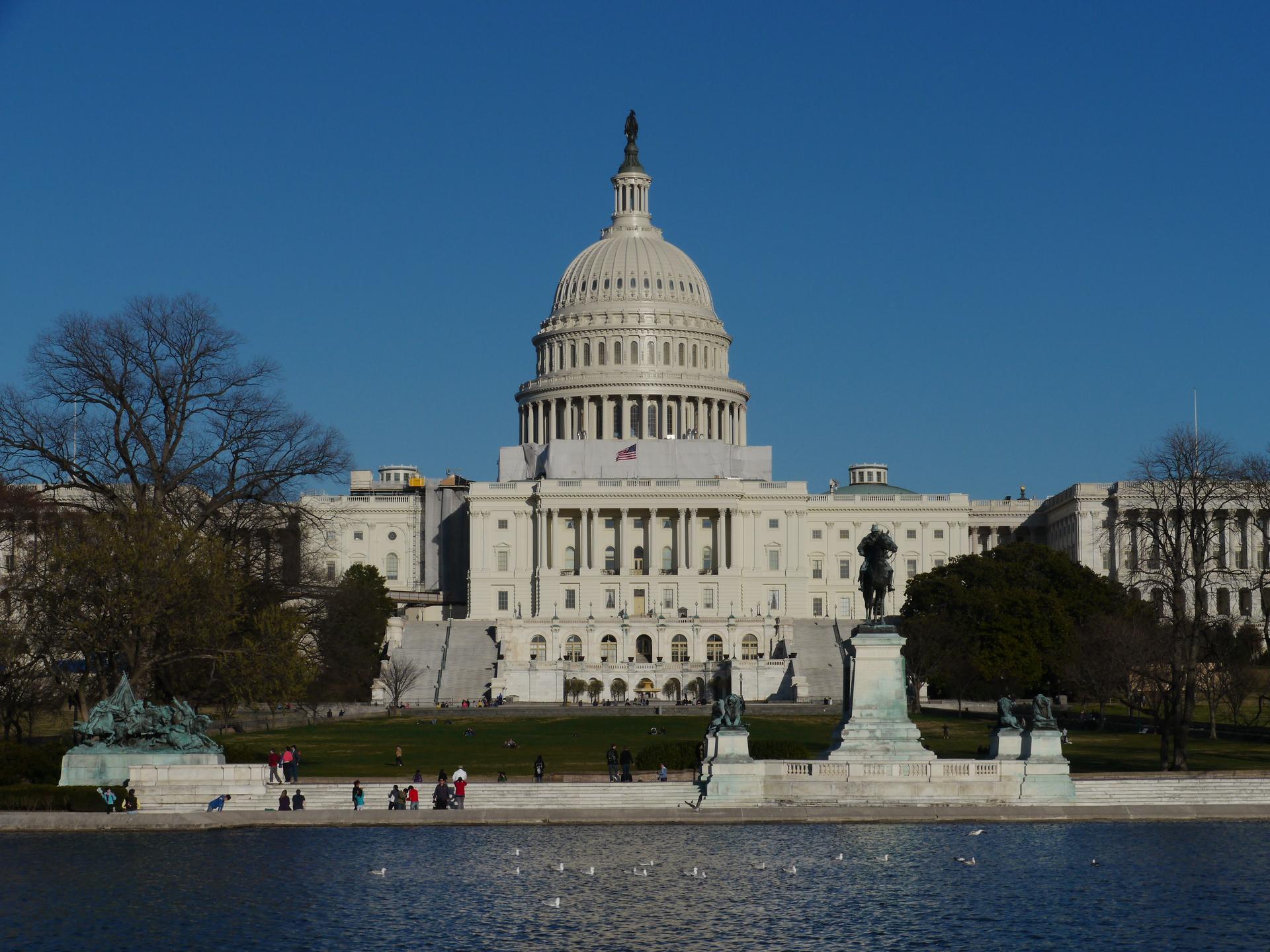
AI Regulation Stalemate Highlights America’s Political Polarization and Economic Fears
Congress finds itself paralyzed by partisan divisions and industry lobbying, as 71% of Americans fear AI-driven job losses.
-

AI-driven MIRA Outperforms Doctors in Emergency Diagnostics
An autonomous AI agent outperformed board-certified physicians in diagnosing emergency room patients, achieving 87.8% accuracy versus 78.1%.
-

Antitrust Laws Protect Consumers From Collusive AI Slowdowns
A lawsuit claims AI giants are colluding to slow development, harming consumers by reducing competition and innovation.
-

AI Disrupts Traditional Banking Revenue, Unlocking Fresh Growth
AI disrupts traditional banking, reshaping revenue streams and creating new opportunities for financial institutions willing to adapt.
-

OpenAI’s Reasoning Models Increase Hallucination Rates Demanding Urgent Accuracy Focus
OpenAI’s latest evaluation shows model o3 hallucinates 33% of the time, with o4-mini even worse at 48%. A troubling regression in factual reliability.
-
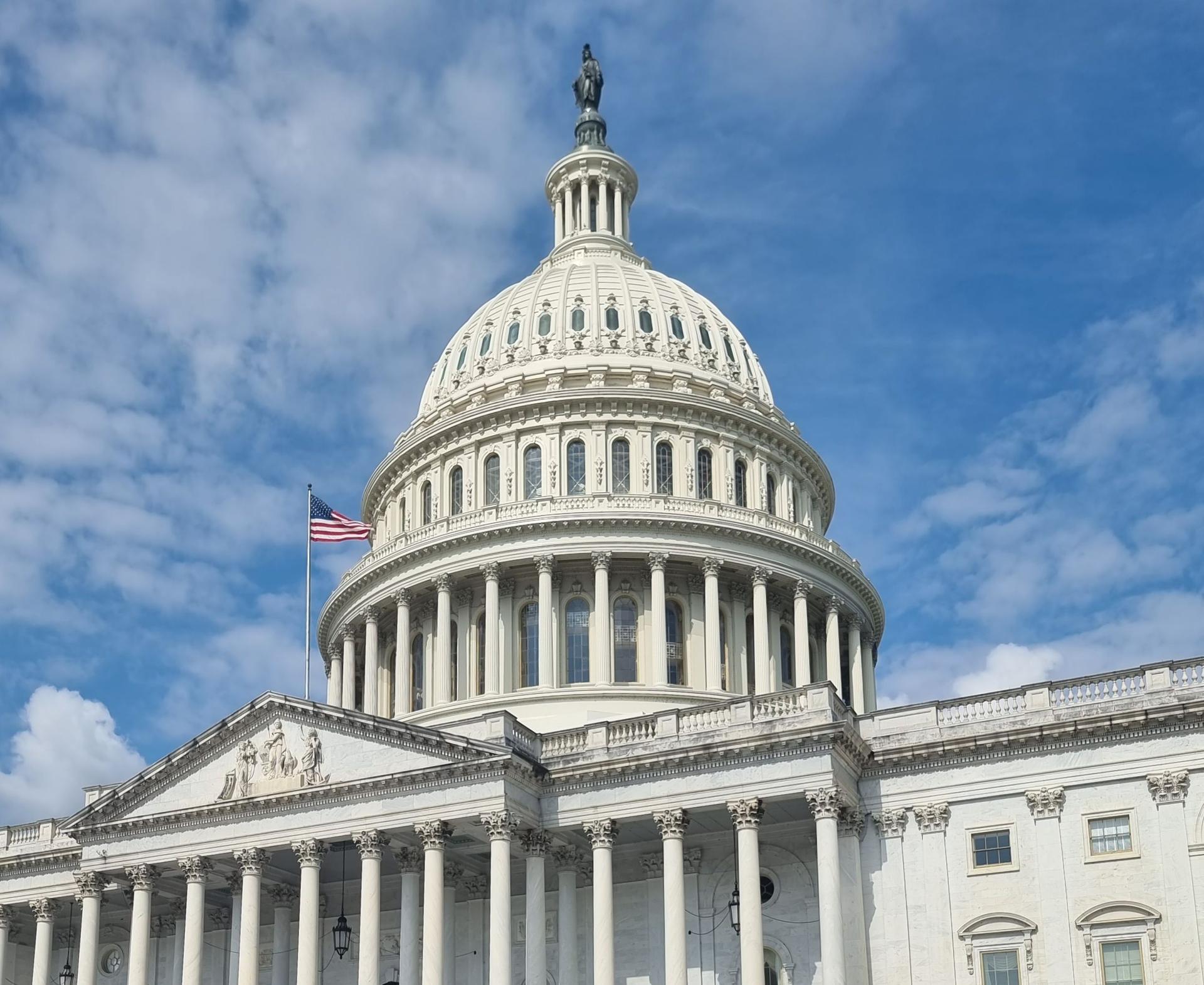
Government’s Real Intent in Blacklisting Anthropic Questioned
A federal appeals court ruling raises questions about whether national security concerns are masking compliance demands on AI companies.
-

Delays in AI Datacenter Projects Reflect Complex Innovation Challenges
Delays in AI datacenter projects reflect innovation challenges in scaling infrastructure at unprecedented speed and scope.
-

OpenAI’s Influencer Blitz Tests Community Trust in AI
OpenAI’s aggressive push to embed ChatGPT through influencer partnerships raises questions about authenticity and community trust in AI.
-

AI Development Requires Ethical Governance Beyond Corporate Control
As AI labs race toward powerful models, the debate on who sets the rules becomes critical, highlighting governance issues and corporate control.
-

ChatGPT Voice Upgrades Introduce GPT-6 Power Yet Practical Challenges Remain
OpenAI rolled out major improvements to ChatGPT Voice, integrating GPT-6 models and plugins, but practical challenges remain.
