-

How to Document Independent Human Judgment When Using AI Tools in Contract Awards
Agencies must show where AI ends and human judgment begins in procurement to maintain award integrity and comply with regulations.
-
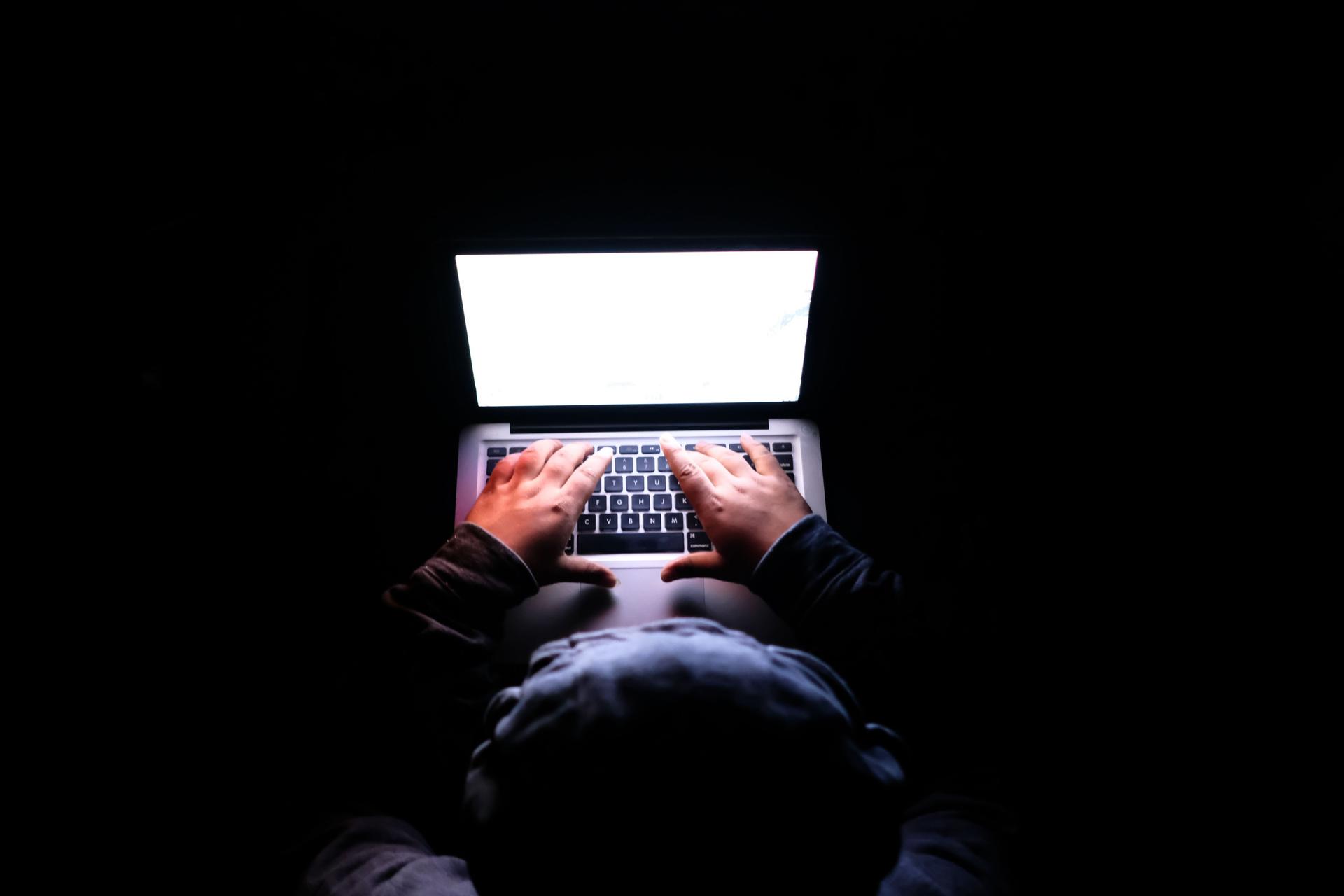
AI Agents Turn One Hacker Into Many Attackers
A suspected hacker used AI agents to run attacks against South Korean banks, demonstrating new digital evidence in cyber intrusions.
-

Google’s SynthID Detector Isn’t a Universal AI Lie Detector
Google’s SynthID Detector helps verify media for AI watermarks but isn’t widely applicable due to watermark usage limitations.
-

ChatGPT’s Teen Safety Promises Face Real-World Test
ChatGPT’s Teen Safety Promises Face Real-World Test reveals serious concerns about its safety controls for teens during testing by Common Sense Media.
-

Deepfake Abuse Exposes a Dangerous Institutional Trust Failure
Deepfake abuse raises questions about institutional trust, misconduct detection, and accountability in public authorities. Explore the implications.
-

ChatGPT’s Teen College Push Makes Trust the Product
OpenAI expands ChatGPT for Teens into a comprehensive college planning tool, emphasizing accuracy and reliable student support.
-

Google’s Finland Setback Exposes Environmental Risks in AI Expansion
Google’s planned expansion in Finland faces a pause due to environmental reviews. The regulatory halt impacts data center preparation work.
-

OpenAI’s 722 Papers Put AI Mathematics Under Verification
OpenAI has released 722 mathematical manuscripts from an internal AI model for researchers to examine, with potential for errors and corrections over time.
-

Utah Turns Acne Treatment Into an AI Regulatory Sandbox
Utah’s pilot program uses AI to recommend acne prescriptions while ensuring clinician oversight and patient safety.
