Utah Turns Acne Treatment Into an AI Regulatory Sandbox
Utah has given an artificial intelligence system a narrow clinical job: review photos and health details, recommend certain acne prescriptions, and track what happens next. The larger experiment is whether a state can allow automated care to operate in public while keeping clinicians, regulators, and patients close enough to intervene.
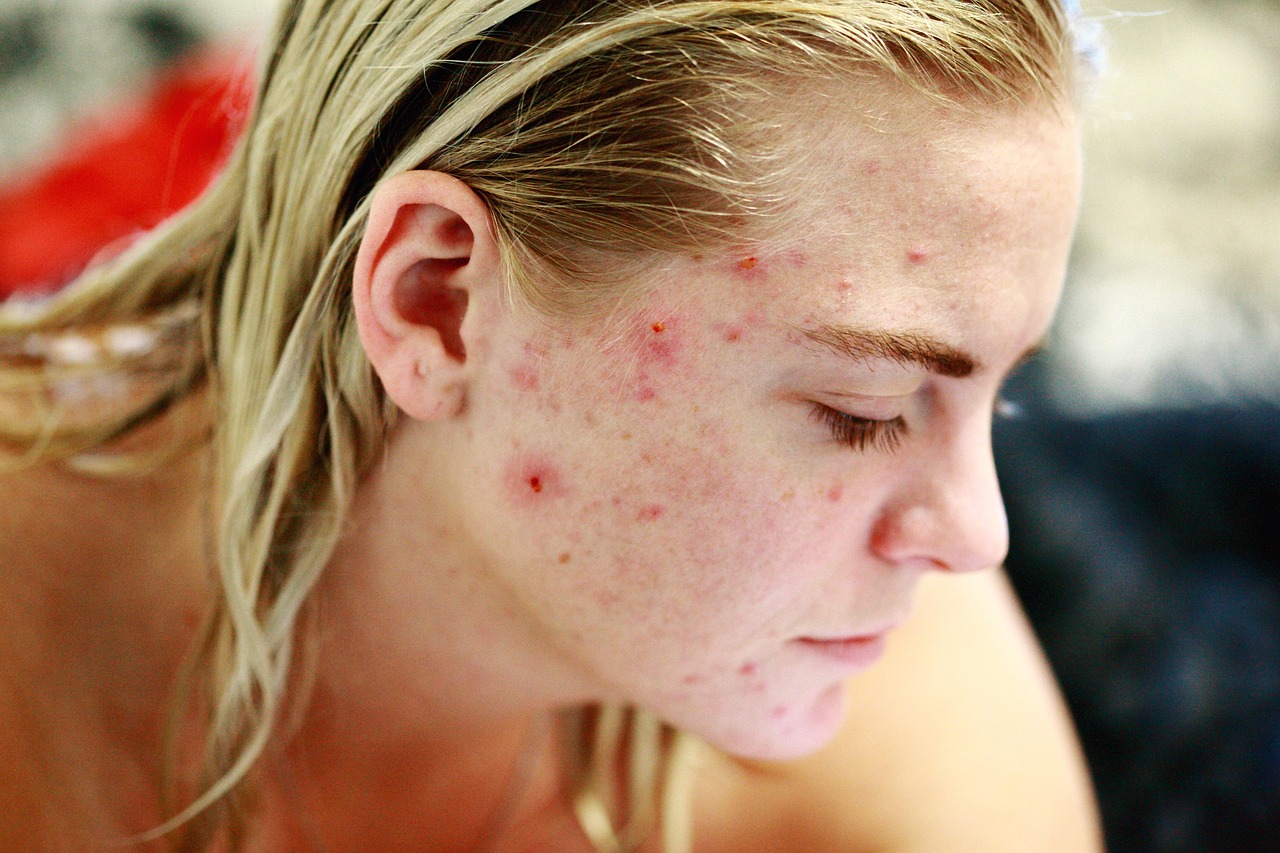
Nolla Health began a one-year Utah pilot focused on adults with mild to moderate acne. Patients pay $4.99 for the subscription, submit health information and facial photos, and receive an AI-generated treatment recommendation that can be sent to a pharmacy. Licensed clinicians remain available through telehealth, and cases involving drugs outside the program’s topical treatment list are routed to them.
The arrangement gives Utah a useful testing ground for a question that reaches well beyond dermatology: how much medical decision-making can be automated safely when the system has a limited scope, a low price, regular follow-up, and a clear path to human care?
A small clinical lane with a large policy question
Acne is a practical place to test automated treatment. It is common, often managed with topical medications, and visible enough for a patient to document through photographs. Many patients also face long waits for a dermatology appointment when they need treatment for a condition that may appear routine in a busy clinic.
Nolla’s system asks patients for basic health information, including family history, and requests photos taken in different lighting. The software analyzes the images, maps the patient’s skin, and produces a treatment recommendation. Patients then take part in weekly check-ins so the system can track progress and identify cases that need additional attention.
The scope matters. The pilot centers on mild to moderate acne and initial topical prescriptions. Nolla is not currently prescribing birth control through the program, although the company is exploring that possibility. Medications that are not topical are escalated to the company’s clinical team, according to chief medical advisor Dr. Zaid Fadul.
That boundary creates the first important safeguard. The system does not receive an open-ended mandate to treat every skin complaint or prescribe every acne medication. Its decisions are limited by the conditions, drugs, and patients included in the pilot.
Synopsis
Utah’s Nolla Health pilot lets an AI system evaluate photos and health information, recommend certain topical acne treatments, and monitor patients through weekly check-ins. The experiment is designed around narrow eligibility rules, phased physician oversight, telehealth escalation, and state reporting, making it a test of whether automated care can remain safe and accountable when its clinical role is tightly bounded.
Utah is testing a ladder of oversight
The pilot uses staged physician involvement rather than a single switch between full human review and full automation. During the first phase, physicians review recommendations for the first 100 patients before a prescription reaches a pharmacy. In the next phase, covering approximately 500 patients, doctors review recommendations after the AI has issued them. Later phases will use less rigorous oversight.
That sequence gives regulators a way to watch the system under real conditions while retaining an early checkpoint. The first 100 patients can reveal problems that may not appear in the company’s testing data, including poor photographs, incomplete medical histories, unexpected side effects, and cases that resemble acne but require a different diagnosis.
Nolla says it tested more than 10,000 cases before the live pilot. That preparation may provide useful evidence, but a controlled testing set cannot capture every condition in ordinary use. Patients vary in skin tone, age, lighting, treatment history, adherence, and the way they describe symptoms. A live program adds those variables one patient at a time.
Utah’s Office of AI Policy approved the pilot under a special program that allows the company to test a medical treatment model outside ordinary licensing arrangements for a limited period. The office says it will receive monthly reports covering the number of patients served and observed outcomes. Members of the state’s medical licensing board also took part in developing the program.
People are dissatisfied with the healthcare system, and there is a shortage of workers and long wait times, according to office director Zach Boyd.
That policy structure turns the pilot into a regulatory sandbox. The state is allowing a restricted experiment, collecting evidence, and reserving the ability to adjust the rules as the results come in. That process is more useful than treating AI approval as a permanent pass or an all-purpose endorsement.
The workflow matters as much as the algorithm
The patient’s experience follows a series of steps that each carry clinical importance:
-
The patient pays for the service and provides basic health information.
-
The patient uploads facial photos taken in different lighting conditions.
-
The AI system analyzes the images and health details.
-
The system recommends an eligible topical treatment.
-
The prescription goes to the patient or a local pharmacy when the case falls within the pilot’s scope.
-
Weekly check-ins track response and determine whether the patient should continue or speak with a clinician.
A photo-based recommendation gets the attention because it is the most visible use of AI. The follow-up process may determine whether the service is safe in practice. Acne treatment often requires adjustments. A medication may irritate the skin, work slowly, or produce limited improvement because the diagnosis is incomplete or the patient cannot use it consistently.
Weekly monitoring gives the system repeated chances to detect a problem. It also creates a route for patients who are not improving. Fadul said patients who are not getting the desired results can be moved to one of Nolla’s clinicians, while those doing well can continue along the treatment plan.
That structure is a form of bounded automation. The software handles a defined first step and routine monitoring. Human providers handle exceptions, more complicated medications, and patients whose progress does not match the expected pattern.
Hot Take
The real medical breakthrough is not the prescription; it is the guardrail.
An acne recommendation is a relatively narrow use of AI. The more consequential question is whether Utah can build a repeatable system for limiting scope, detecting failure, escalating to clinicians, and learning from outcomes in public.
A narrow use case still carries clinical risk
Mild acne can be treated safely in many cases, but the label is not always obvious from a single photograph. Rosacea, folliculitis, allergic reactions, scarring conditions, and other skin problems can resemble acne. Severe or painful lesions may require a different treatment path. A patient may also have medical conditions, medication interactions, or pregnancy-related concerns that a photograph cannot reveal.
The health questionnaire therefore has as much influence as the image analysis. If a patient leaves out a medication, misunderstands a question, or cannot describe a past reaction, the software receives an incomplete picture. A clinician reviewing the case may spot the gap. An automated workflow must have rules for missing or uncertain information and should pause treatment when those gaps matter.
Image quality creates another constraint. Lighting, camera quality, shadows, makeup, skin products, and viewing angle can change what the system sees. The pilot’s use of multiple lighting conditions is intended to reduce that problem, but the program still needs to measure how often the system fails with ordinary phone photos.
Performance also needs to be examined across different skin tones, ages, and treatment histories. A model that performs well on one group can produce weaker recommendations for another. Utah’s monthly reports will be more informative if they show those differences rather than publishing only an overall success rate.
The $4.99 price changes the access equation
A low subscription price could remove one barrier for patients who cannot justify a conventional visit for a recurring skin condition. It may also help people who live far from a dermatologist or who need care outside standard appointment hours. Nolla says licensed medical providers are available through telehealth around the clock.
The price does not settle the full cost of treatment. Patients may still pay for medication, pharmacy services, or follow-up care outside the program. They should also know what happens when the AI cannot handle a case and whether a clinician visit carries another charge. Clear pricing will matter if the service is presented as an affordable alternative to an office appointment.
The digital requirements create their own access problems. A patient needs a suitable phone, a reliable connection, enough privacy to complete a health questionnaire, and the ability to take usable photos. People with limited digital skills or limited payment options may be left out even when the service is clinically appropriate for them.
The subscription model also gives Nolla an incentive to keep patients engaged over time. That can support weekly follow-up, but regulators should examine whether the system encourages unnecessary continuation or whether it moves patients to a clinician when the evidence is unclear. Treatment duration, refill patterns, and discontinuation rates can show how the model behaves after the initial prescription.
Common Mistakes
Several assumptions could make the pilot appear safer or more successful than the evidence supports.
- Counting prescriptions as outcomes — The number of treatments issued does not show whether patients improved, experienced side effects, or received the right diagnosis.
- Treating the photograph as the whole diagnosis — Images cannot reveal every relevant symptom, medical condition, medication interaction, or pregnancy-related concern.
- Assuming average performance is fair performance — An overall success rate can conceal weaker results across skin tones, ages, lighting conditions, or treatment histories.
- Ignoring escalation capacity — A referral pathway is not a meaningful safeguard if patients wait too long for human review or clinicians receive too little context.
- Calling a low subscription price full affordability — Medication costs, digital requirements, payment access, and follow-up charges may still exclude patients.
- Generalizing from acne to higher-risk care — Evidence from a narrow topical-treatment pilot cannot establish that AI is ready to manage antibiotics, radiology, or serious infections.
The right evidence goes beyond prescription counts
A monthly report that lists the number of prescriptions will provide only a small part of the picture. Utah should require data that shows whether patients actually improved and whether the program caught cases that needed a different type of care.
Useful measures could include:
-
The percentage of cases escalated to a clinician and the reasons for escalation.
-
Rates of reported side effects, treatment discontinuation, and medication changes.
-
Patient improvement at set intervals, using consistent acne severity measures.
-
The number of cases in which a clinician disagreed with the AI recommendation.
-
Reports of missed diagnoses or delayed care for conditions that resembled acne.
-
Results across skin tones, age groups, and prior treatment histories.
-
The time patients wait for human review after the system flags a problem.
-
The rate of patients who stop responding to weekly check-ins.
The state should also require a process for patients to challenge a recommendation, request human review, and receive an explanation of why their case was accepted or rejected. A person who sees worsening symptoms needs a clear route to care rather than another automated message.
Privacy deserves equal attention. Facial images and health histories are sensitive medical information. Patients need plain-language details about how long photos are stored, who can access them, whether they are used to improve the model, and what happens after a patient leaves the service. Security failures would damage trust even if the treatment recommendations were clinically sound.
Doctors may gain time, or inherit a new queue
Fadul has argued that routine acne care can give dermatologists more time to focus on serious conditions such as melanoma. That is a reasonable goal. A dermatologist who spends less time on straightforward cases may be able to see patients with suspicious lesions, rapidly changing symptoms, or treatment-resistant disease sooner.
The result depends on where the workload moves. If the AI handles routine cases accurately, clinicians may gain capacity. If it produces many uncertain recommendations, receives incomplete information, or sends patients to telehealth for problems outside its scope, the clinical team could inherit a large review queue.
The quality of escalation will therefore matter as much as the quality of the first prescription. Clinicians need enough information to understand what the system saw, what the patient reported, which treatment was recommended, and why the case was flagged. A referral that arrives without that context can erase much of the time savings.
Responsibility must also remain clear. Patients should know which organization stands behind a recommendation, which licensed provider is available for questions, and who handles an adverse event. Automation can divide a workflow, but it cannot divide accountability into an unclear space between an app and a medical practice.
Glossary
- Bounded automation — Using AI for a defined part of a workflow while reserving exceptions and higher-risk decisions for humans.
- Clinical escalation — Moving a patient to a licensed clinician when symptoms, information, or treatment needs fall outside the system’s limits.
- Regulatory sandbox — A supervised program that lets a new technology operate temporarily while regulators collect evidence and adjust rules.
- Staged oversight — A plan that changes the level of human review as a pilot progresses and evidence accumulates.
- Telehealth — Healthcare delivered remotely through digital communication with a clinician.
- Treatment adherence — The extent to which a patient follows the prescribed treatment plan.
- Workflow — The sequence of actions through which information, decisions, prescriptions, monitoring, and escalation move.
The next pilots will need separate rules
Fadul has pointed to radiology and testing-based services for urinary tract infections and influenza as areas where similar tools could help. Those fields may benefit from automation, but the evidence and safeguards cannot simply be copied from acne care.
A urinary tract infection workflow involves questions about antibiotic choice, resistance, kidney involvement, pregnancy, and symptoms that could signal a more serious infection. Influenza testing depends on timing, test performance, and the consequences of treating or missing other respiratory illnesses. Radiology can involve findings where a delayed or incorrect interpretation carries much greater risk.
Each use case needs its own eligibility rules, medication limits, escalation criteria, and outcome measures. The Utah pilot can provide a model for building those controls, but it cannot prove that the same approach works for every medical problem.
The test is whether the guardrails hold
The value of Utah’s experiment will come from the rules around the model. A successful program would show that automated care can remain inside a well-defined clinical lane, offer patients a low-cost option, monitor results over time, and move unusual cases to qualified professionals quickly.
That requires more than a functioning image classifier. It requires accurate eligibility screening, constrained prescribing, usable patient instructions, consistent follow-up, accessible human review, transparent reporting, and a regulator willing to tighten the program when the evidence demands it.
The pilot gives Utah a chance to measure those details in public. If Nolla’s results are strong, other states may study the same combination of limited automation and active oversight. If the results are mixed, the state can identify where the workflow breaks before a similar system reaches higher-risk fields.
Acne is a modest starting point, but the policy question is substantial. Utah is testing whether automated healthcare can earn a larger role through evidence, narrow boundaries, and steady clinical supervision. That is a more durable path than asking an AI system to replace the judgment that patients still need when the case becomes complicated.
Frequently Asked Questions
What is Utah’s AI acne-treatment pilot?
How does the treatment process work?
What types of cases and medications are included?
How are doctors and regulators overseeing the AI?
What safeguards help identify patients who need human care?
What risks could affect the accuracy of the AI recommendations?
Could the $4.99 service improve access to acne care?
What evidence should Utah collect from the pilot?
Sources
- Mobihealthnews – Nolla Health launches Utah pilot for AI acne prescriptions
- Facebook – AI PRESCRIPTIONS: Utah authorized the first state
- Latimes – Utah allows AI startup to prescribe acne medication without doctors’ direct oversight
- Instagram – Nolla Health says its AI has received regulatory approval in Utah
- Instagram – AI can now prescribe? 💊🤖 Utah’s new acne pilot is testing AI-powered acne treatment
- commerce.utah.gov – RMA – Nolla Health – Utah Department of Commerce
- Chiefhealthcareexecutive – AI prescribing gets a state-supervised test in Utah
- Healthcaredive – Utah approves slew of health AI pilots for drug management, women’s health and more
- Linkedin – Today, Nolla Health has become the first organization in the country to receive regulatory approval for AI to issue initial prescriptions
- Medicaleconomics – From skin scan to prescription: AI acne prescribing launches in Utah