-
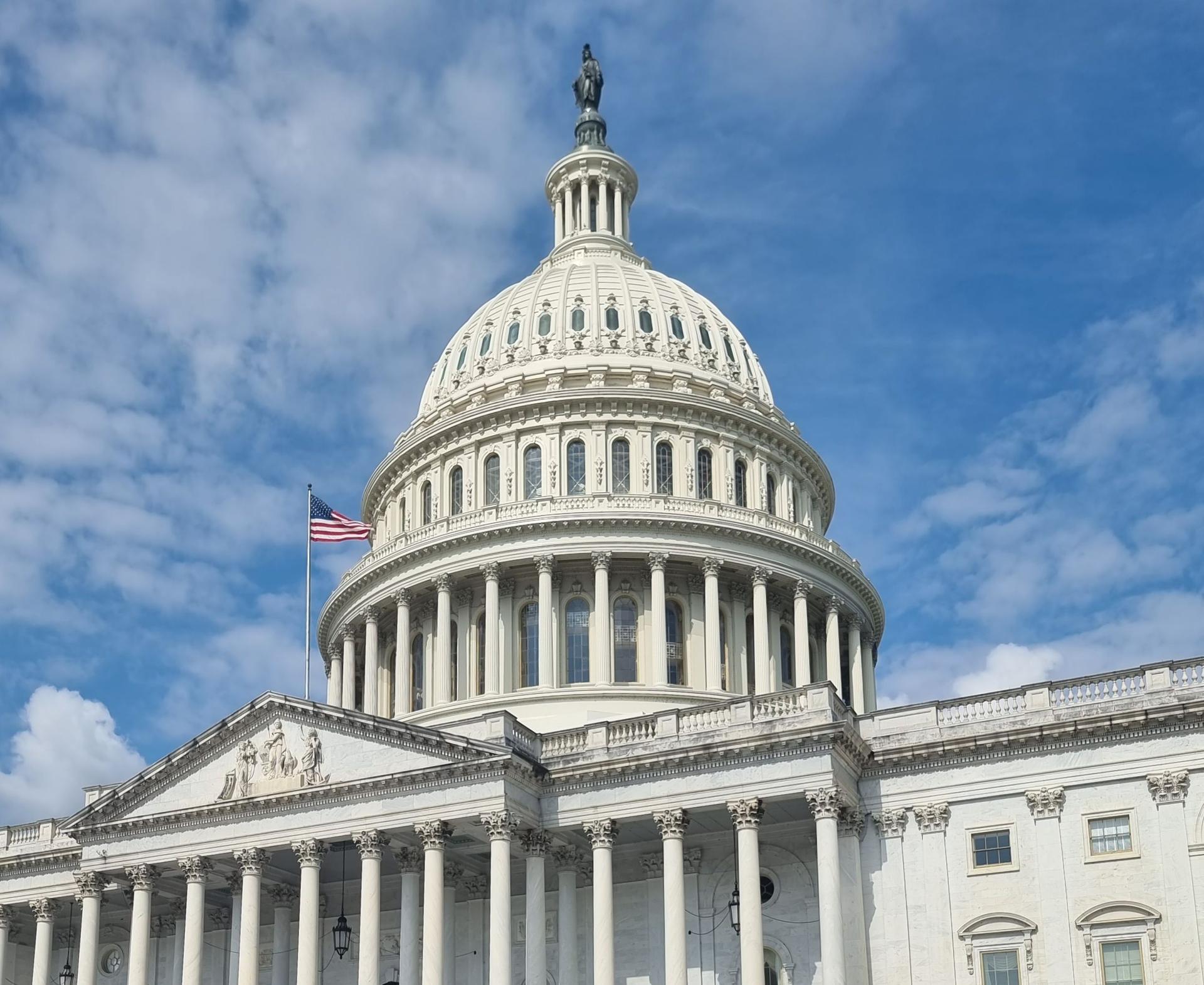
Government’s Real Intent in Blacklisting Anthropic Questioned
A federal appeals court ruling raises questions about whether national security concerns are masking compliance demands on AI companies.
-
AI’s Ethical Pitfalls Prompt Law Firms to Consider Bans
When lawyers submit fake citations due to AI errors, the consequences can be severe, raising questions on whether to ban AI in law.
-

Montana Deepfake Law Threatens Free Political Expression
Montana’s deepfake election law was ruled unconstitutional, infringing on First Amendment rights around political speech.
-

AI-crafted Victim Statements Risk Compromising Justice Integrity
AI-crafted victim statements in a Nottingham case challenge the integrity of justice, raising concerns over emotional manipulation and fairness.
-
AI Misuse in Court Filings Threatens Judicial Integrity
AI misuse in court filings threatens judicial integrity as courts face operational chaos with AI-generated submissions deemed “gibberish.”
-
AI’s Rapid Advancement Raises Crucial Ethical Dilemmas
AI’s rapid advancement creates tension between innovation and integrity, revealing troubling ethical boundaries in its development.
-
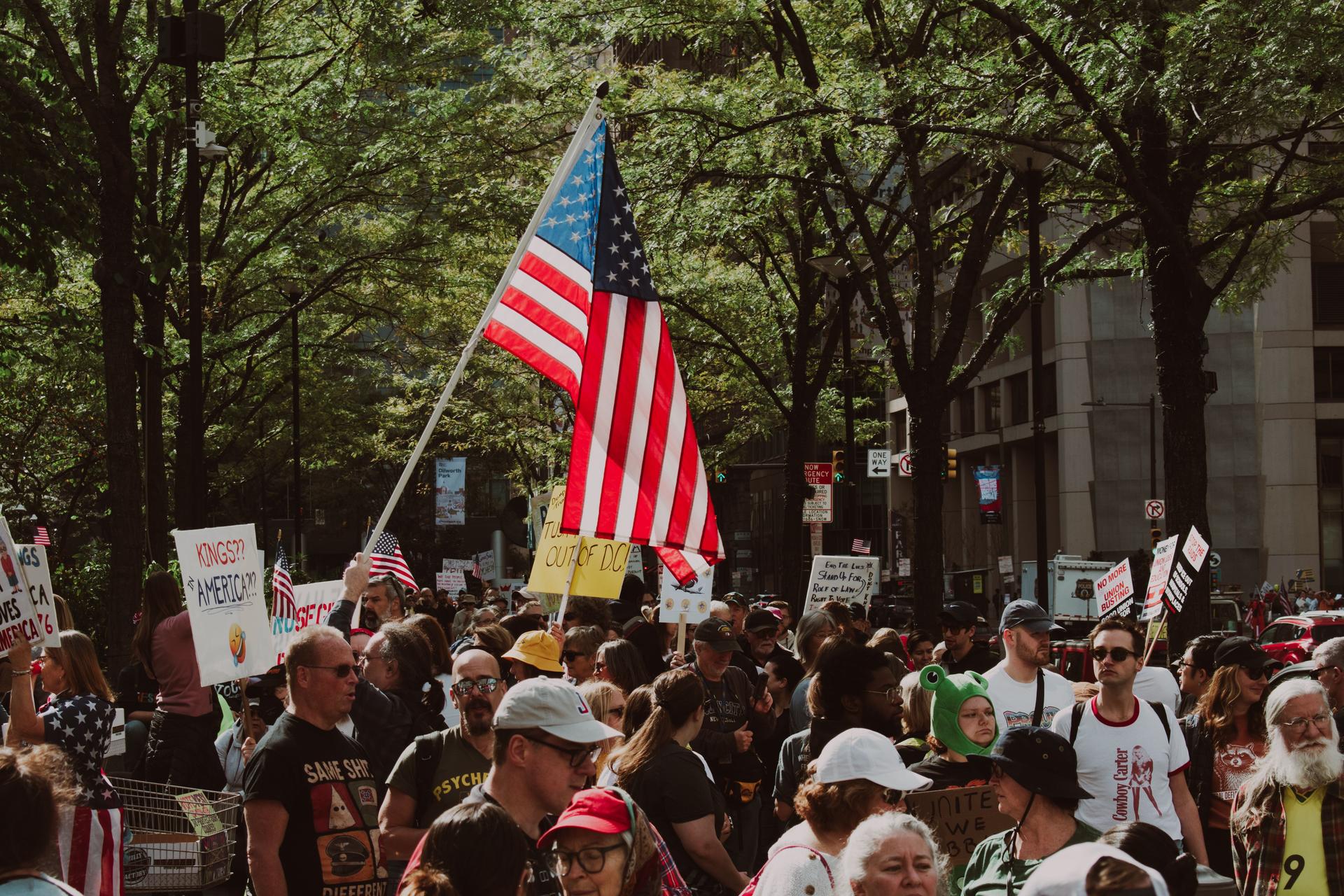
Ruling Protects Political Speech but Opens Regulatory Pandora’s Box
A federal judge’s ruling strikes down Montana’s AI deepfake law, highlighting the complex implications for political expression rights.
-

Copyright Claims Expose the Undervaluation of Creative Labor
Copyright claims reveal the undervaluation of creative labor amidst AI developments by OpenAI and Microsoft in a copyright dispute with The New York Times.
